
The Art of Chess: Why Material Matters in Quality Chess Boards
- Matt Pray
- Sep 16, 2025
- 5 min read

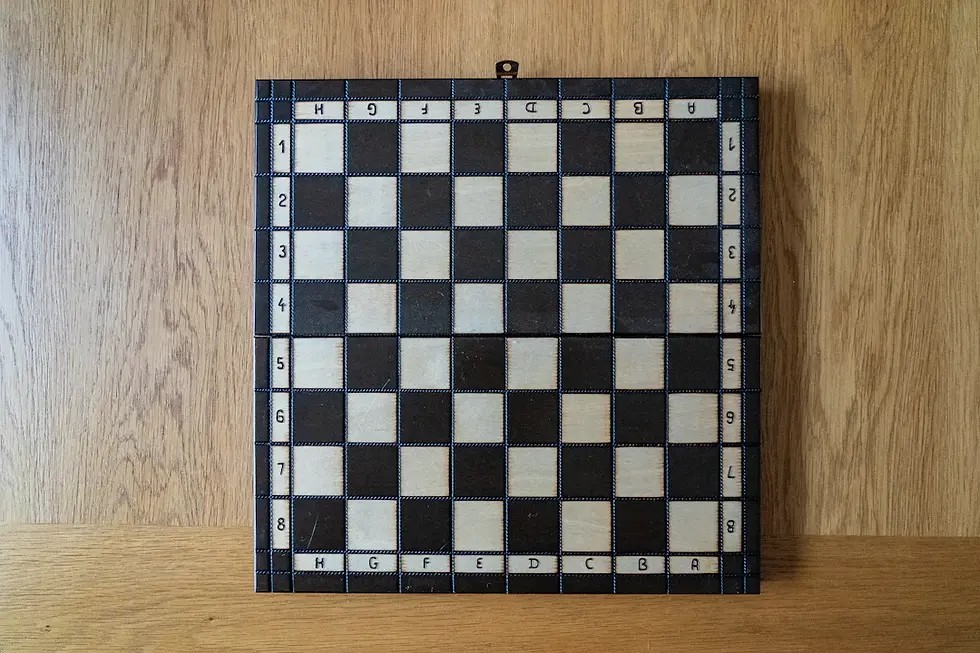
When you think of chess, the first image that likely comes to mind is not just the intricate gameplay but also the aesthetic appeal of the board and pieces themselves. A vertical chess board might stand out even more with its unique design, while a luxury chess board makes a statement in any setting. But have you ever stopped to consider how the material used in creating these boards affects the overall quality? In this article, we’ll explore the importance of material in the design and functionality of chess boards, delving into the different materials available, and how they contribute to your chess experience.
The Importance of Material in Chess Board Construction
The material chosen for a chess board can significantly impact its durability, aesthetic appeal, and the tactile experience of play. Here’s why:
Durability: Higher quality materials tend to withstand the test of time more efficiently. This durability is crucial for those who play often and want their board to last for years. A wood chess board made from solid hardwood, for example, is less prone to warping than one made from cheaper composite materials.
Aesthetics: The look of your chess board can also enhance the overall playing experience. Luxury boards crafted from premium materials are often visually stunning, making them attractive for display as well as gameplay.
Tactile Experience: The feel of the board is equally important. A smooth, well-finished surface allows pieces to glide effortlessly, enhancing gameplay. Responses to touch can also affect one’s strategic concentration.
Types of Materials for Chess Boards
There are various materials employed in crafting chess boards, and each type offers distinct advantages and disadvantages. Below, we explore some of the most common ones:
Wood
Wood remains the classic choice for chess boards due to its durability and elegance. A wood chess board can be left unvarnished for a more rustic appeal or polished for a luxury finish. The type of wood used will significantly influence the board's quality:
Hardwoods: Types of hardwood like maple, walnut, mahogany, and oak are the gold standard for luxury chess boards since they provide superior durability and aesthetic charm.
Plywood: This is a more affordable alternative. While it may not boast the same elegance as solid wood, quality plywood can still offer a decent playing surface.
Plastic
Plastic chess boards are often lightweight and portable, making them an excellent choice for travel. They are relatively inexpensive but typically lack the refined aesthetic of a wooden chess board. They are practical for beginners or casual players, but they may not deliver the same heightened experience for serious competitors.
Composite Materials
Composite boards are crafted using a combination of different materials and are often designed to mimic the look of wood without the associated cost. However, the quality may vary substantially depending on the manufacturing process, so it’s essential to research specific products if this option interests you.
Glass and Marble
For those seeking a truly unique and luxurious experience, glass and marble chess boards are captivating options. A glass board, for instance, can create an ethereal aesthetic, while marble offers timeless elegance. However, both may pose challenges for portability and storage, given their weight.
The Impact of Material on Gameplay
Beyond aesthetic appeal, the material of your board can profoundly influence the gameplay experience. Here’s how different components come into play:
Board Surface
The surface quality plays a crucial role in how smoothly the chess pieces glide across the board. Poorly finished surfaces can cause pieces to stick, disrupting the flow of the game.
Piece Material
Equally vital to the overall chess experience is the material of the wooden chess pieces themselves. Wooden pieces create a balanced experience when paired with a wooden board, and properly crafted pieces ensure that gameplay is both enjoyable and strategic. If you opt for a custom chess board, consider pieces that complement the board's material for a cohesive look and feel.
Heft and Stability
Weight is another factor affected by board material. Heavier boards made from solid wood tend to offer greater stability during gameplay, preventing accidental movement or tipping. A lower-quality board may shift, leading to frustration during critical moves.
Custom Chess Boards: Melding Material and Design
Custom chess boards are becoming increasingly popular for those who want a personalized touch. This personalization can extend to the choice of material, with options ranging from luxury woods to unique composites that suit individual style preferences. When investing in a custom board, consider:
The available materials and how they affect aesthetics and durability.
The matching of the playing pieces with the board to establish an engaging visual harmony.
Your specific needs as a player, such as portability or play frequency.
Maintenance and Care for Quality Chess Boards
To ensure the longevity and quality of your chess board, proper maintenance must be a priority. Here are some tips to keep your board in optimal condition:
Regular Cleaning
Keeping your chessboard clean is essential to maintaining its surface integrity. For wooden and glass boards, simply dust with a soft, dry cloth. If needed, use a damp cloth with mild soap, but remember to dry it immediately to avoid moisture damage.
Polishing
For luxury wooden boards, occasional polishing with a suitable wood polish will help preserve the luster and protect the finish. Be cautious, of course, as excessive polishing can lead to buildup. Always follow manufacturer guidelines, especially for specialty finishes.
Store Properly
When not in use, consider storing your chess board in a protective case, particularly if it’s crafted from a delicate material such as glass or marble. Ensure it's kept in an area away from excessive sunlight or humidity to maintain its quality over time.
Summing Up Your Chess Journey
Understanding the impact of material on chess board quality is an essential step for anyone looking to enhance their chess experience, whether you are an avid player or a casual enthusiast. A choice between a sturdy wood chess board or an elegant luxury chess board is just the beginning, as quality extends into the realm of handcrafted pieces and custom designs that marry functionality with aesthetics.
Investing in a quality chess board truly becomes an investment in your passion for the game. The right materials, careful crafting, and maintenance practices can transform your playing experience from ordinary to extraordinary. Choose wisely, and let every game resonate with the beauty and quality of the chess set you cherish.
FAQs
Why does the material of a chess board matter?
The material significantly impacts the durability, aesthetic appeal, and tactile experience of play, affecting the overall quality and enjoyment of the game.
What are the best materials for chess boards?
The best materials include hardwoods like maple and walnut for luxury boards, while plywood and composite materials offer more affordable options. Plastic is lightweight and portable, and glass and marble provide a unique aesthetic.
How does the material influence gameplay?
The material affects the surface quality which determines how smoothly pieces glide, the weight and stability of the board, and the balance of the chess pieces, all impacting the flow of the game.
What maintenance is required for quality chess boards?
Regular cleaning with a soft cloth, occasional polishing for wooden boards, and proper storage in protective cases are essential to maintain the quality of your chess board.
Can I customize my chess board?
Yes, custom chess boards allow for personalization in materials and design, enabling players to create a chess set that reflects their style and suits their playing preferences.


Comments